Sketch, Symbols, and Smarter Notes for Every Learner

Today we explore classroom practices for teaching visual note-making to K–12 learners, focusing on practical moves you can use tomorrow. Expect brain-based strategies, accessible routines, and inclusive supports that elevate thinking. Whether your students are five or fifteen, you will see how simple drawings, structured layouts, and purposeful symbols can transform comprehension, memory, and joy in learning across subjects, while staying manageable within real lesson time and constraints teachers truly face.

Start with Purpose and Brain-Friendly Principles

Before passing out markers, define why drawings and structured layouts help students think. Visual note-making leverages dual coding, retrieval, and coherence, turning fleeting talk into lasting memory. By combining simple icons, containers, and verbal cues, learners reduce cognitive load, clarify relationships, and retain more. A short story: a ninth grader who struggled to summarize a cell’s organelles finally understood functions after sketching labeled containers connected by arrows, recalling key processes days later with confidence and surprising precision.

Daily Routines That Build Skill Without Consuming Your Lesson

Small, consistent routines outperform rare, elaborate activities. Devote two to five minutes to micro-lessons: an icon of the day, a container format, or a connector word like because or leads to. Students practice in the margins during warm-ups, then apply the move immediately to content. Consistency grows fluency without stealing instructional minutes. Over weeks, classes accumulate a shared visual vocabulary that speeds comprehension, supports retrieval, and makes your teaching feel cohesive, predictable, and energizing for diverse learners.

Differentiation that Welcomes Every Hand and Voice

Equity lives in access, not art skills. Offer choices: stamps, sticky notes, pre-drawn icons, and simple templates for students who need motor or executive-function support. Provide multilingual labels and word banks for emerging bilinguals. Invite audio captions and partner scribing. Visual note-making becomes a bridge, not a barrier, when students decide how much to draw, write, or narrate. The aim is clearer thinking and communication, so celebrate meaning, strategy, and growth while keeping expectations kind, specific, and attainable.

Choice Boards and Gentle Scaffolds

Create a choice board with three frames—sequence, compare, cause/effect—plus an icon bank and sentence starters. Include a lightly guided template for students who want structure and a blank option for advanced learners. Offer time boxes and checkpoints so no one gets lost. Gentle scaffolds encourage progress without trapping creativity. As confidence grows, reduce supports gradually. This approach preserves autonomy, respects different processing speeds, and ensures every student can show understanding in a personally meaningful, visible way.

Language Supports for Emerging Multilinguals

Pair visuals with translated key terms, bilingual glossaries, and pictorial sentence frames like The diagram shows… because…. Invite students to label in their home language and English, using arrows to connect equivalents. Encourage collaborative pairs where a fluent peer helps narrate while the partner sketches. The result is accelerated vocabulary growth, stronger conceptual clarity, and pride in multilingual identities. Visuals minimize barriers, letting ideas shine while language catches up through contextualized, repeated, and purposeful use across units.

Feedback That Celebrates Thinking, Not Artwork

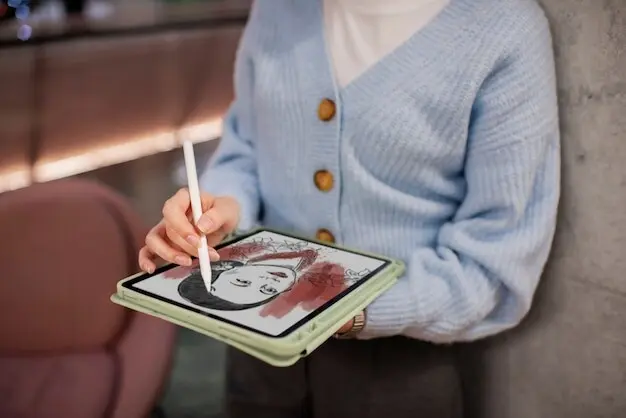
Replace art critique with learning-focused feedback. Use a one-point rubric highlighting clarity of ideas, accuracy, connections, and purposeful layout. Confer briefly: What did you choose to show? Where do you want to clarify? Praise strategies like chunking or labeling. Anchor exemplars reveal that simple shapes can be powerful. Over time, students internalize criteria, self-assess with sticky notes, and revise quickly. The culture shifts from pretty to purposeful, unlocking confidence and higher-order reasoning across content areas and grade levels.

Tools, Spaces, and Low-Prep Materials That Invite Sketching

Great results come from simple setups. Keep baskets with cardstock, two black pens of different thicknesses, a gray marker for shading, and three highlighters for coding. Add clipboards for mobility and a document camera for modeling. For digital, designate a single app and clear export routine to your LMS. Curate reusable templates and icon banks. Visible storage, labeled clearly, signals permission to create. The goal is frictionless access, quick cleanup, and reliable routines that honor instructional minutes and student agency.

Analog Kits That Survive a Busy Day

Assemble grab-and-go pouches: fineliner, chisel-tip marker, gray brush pen, sticky notes, and a small template card. Laminate a layout guide with three frames students know. Restock on Fridays with a student crew. Durable kits reduce downtime, soothe transition chaos, and make start-of-class routines predictable. Because tools are standardized, modeling is easier and cleaner. The small investment returns daily, building a culture where materials never block thinking, and learners reach for the right instrument without hesitation.

Digital Workflows That Actually Save Time

Choose one platform, teach one export path, and standardize file names. Provide a canvas with embedded frames and a sidebar icon bank. Practice lasso, duplicate, and layer order so students iterate efficiently. Use class folders to streamline feedback. With clarity and repetition, digital sketching becomes quicker than typing for many learners, enabling rapid reorganization, color coding, and collaboration. Most importantly, the workflow preserves teacher time, eliminates format confusion, and keeps the focus squarely on meaning and improvement.

From Science Labs to Story Time: Authentic Uses All Year

Sustain momentum by embedding visual note-making across subjects. In science, diagram procedures and mechanisms; in reading, map character motives; in social studies, craft timelines that argue causation; in math, capture representations and steps with labeled arrows. Use quick templates for labs, debates, and problem solving. Real assignments replace isolated practice, proving relevance. Invite students to share pages during closings, then post exemplars. Keep the conversation going—comment with your successes, questions, or requests, and subscribe for new classroom-ready routines.
Novipentovelto
Privacy Overview

This website uses cookies so that we can provide you with the best user experience possible. Cookie information is stored in your browser and performs functions such as recognising you when you return to our website and helping our team to understand which sections of the website you find most interesting and useful.