See Learning Clearly: Visual Strategies That Work
We are diving into visual study strategies for students with ADHD and dyslexia, transforming scattered pages and tiring reading sessions into clear, organized, memorable learning experiences. Expect practical tools, relatable stories, and proven principles that reduce cognitive load, support attention, and turn abstract ideas into concrete visuals you can actually use today in class, at home, and during exams.
Understanding How Brains Process Visual Information
{{SECTION_SUBTITLE}}

Working Memory and Visual Anchors
ADHD can make working memory feel leaky, but visual anchors act like hooks that catch slippery details. When definitions are tied to icons, arrows, and simple diagrams, students spend less effort holding text and more energy connecting ideas. Try pairing each key term with a consistent image, then use that image again during retrieval practice to reactivate the same pathway.
Reducing Cognitive Load with Design
Dyslexia often adds decoding strain that competes with comprehension. Clean layouts, generous spacing, and chunked visuals reduce unnecessary processing, allowing the brain to invest in understanding instead of wrestling with letters. Think fewer fonts, clear headings, and concise labels. When every element earns its place, attention stabilizes, and the main point finally stands in the spotlight rather than hiding in clutter.
Sketchnotes for Focus and Recall
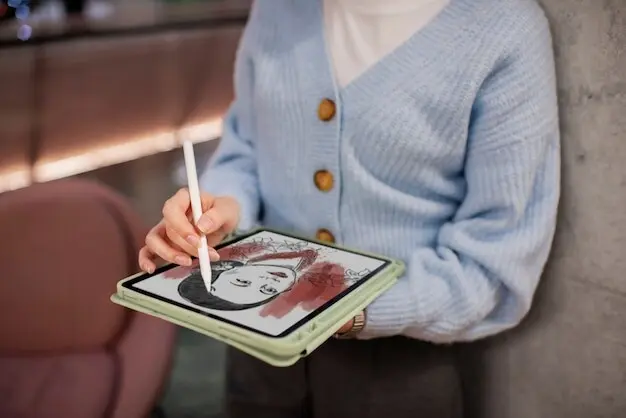
Sketchnotes invite active listening because your pencil must decide what matters. Students with ADHD gain a purposeful channel for restless energy, while dyslexic readers can bypass dense text by capturing meaning as images and keywords. Use a three-part canvas: big idea at the top, supporting visuals along the sides, and a summary row. Later, cover labels and quiz yourself using only the drawings.
Mind Maps that Respect Reading Differences
Mind maps place the core concept at the center and radiate branches for subtopics. This structure lets dyslexic learners track hierarchy without long paragraphs, while ADHD brains benefit from quick, movable bursts. Keep branches short, use consistent categories, and pair each branch with a symbol. When reviewing, collapse a branch into one emblem and retell the story aloud to cement retrieval.
One-Pagers as Study Dashboards
A one-pager compacts a unit into a single view: timeline, key formulas, must-know names, and visual metaphors. For students who lose pages or over-highlight everything, a scoreboard-like layout creates calm control. Place the essential summary dead center, surround it with pictorial cues, and leave deliberate white space. Pin it above your desk for daily glances that build effortless memory over time.

Structuring Time and Tasks You Can See
Time can feel invisible, especially with ADHD. Turn it into something you can actually see. Visual timers, personal kanban boards, and checklist design shift planning from vague intention to clear, reliable prompts. By representing progress, limits, and next steps with shapes and movement, you reduce friction, prevent overwhelm, and make starting far less intimidating than a blank hour or blinking cursor.

Reading Support with Visual Scaffolds
Reading can drain energy fast when decoding is tough. Visual scaffolds redistribute effort so comprehension wins. Accessible fonts, supportive spacing, and line guides reduce tracking stress, while graphic previews activate context before eyes land on paragraphs. Pair audio with images and captions to keep pace steady. The goal is not to avoid text, but to make meaning available through multiple, coordinated cues.
Accessible Typography and Spacing
Choose a clean, dyslexia-friendly font, increase line spacing, and keep line length moderate. High-contrast headings and generous margins help eyes land and launch without losing place. For printed packets, try tinted overlays or lightly shaded backgrounds to reduce glare. A steady visual rhythm lets ADHD attention re-engage more easily, so comprehension can rise instead of wrestling with letter shapes.
Chunking and Previewing with Graphics
Before reading, scan for headings and convert them into tiny sketches or boxes showing what each section covers. Then read one chunk at a time and extend your sketches with key events or evidence. This makes structure visible and reduces anxiety because you are never facing a full chapter at once. Later, the sketches become a compact review path that guides recall.
Paired Modalities: Audio plus Visual Summaries
Listening to text while following along with a visual summary offloads decoding and frees comprehension. Keep the summary compact: timeline, cause-effect arrows, or character map. When a sentence lands, pause and highlight the matching visual piece. By linking audio and image, you build a sturdy retrieval path from two directions, sustaining attention and preventing meaning from slipping between modes.
Memory Techniques You Can Draw

Storyboarding Concepts
Break a process into four frames: setup, action, result, takeaway. Draw simple stick figures and arrows; label only what matters. A student named Maya used this to learn mitosis, turning each phase into a comic panel. Later, she could replay the sequence without notes. Stories recruit emotion and sequence, two powerful allies for attention and long-term memory under test conditions.
The Method of Loci with Floor Plans
Sketch your bedroom or a favorite route through school, then assign each landmark to a concept. Place formulas on the desk, definitions on the window, exceptions by the lamp. During review, mentally walk the space and pick items up in order. This spatial pathway supports ADHD working memory and gives dyslexic learners a non-text scaffold that anchors precise recall reliably.
Peg Systems with Icons and Gestures
Create ten number–image pairs, like one–sun, two–shoe, three–tree. Attach each new fact to the corresponding peg using a vivid drawing and a quick gesture, then rehearse in both directions. The blend of icon, movement, and rhythm keeps attention engaged. Under pressure, you can reconstruct the list by calling the numbers, then letting the pegs unlock the attached details naturally.
Classroom and Home Setup that Supports Seeing
Environment shapes attention as surely as strategy. Reduce glare, manage movement pathways, and make important information unavoidable with wall timelines, whiteboards, and visible schedules. Keep materials in color-coded bins and label with icons, not just words. Establish shared visual routines so adults and students collaborate. When the room speaks clearly, behavior stabilizes and learning energy flows where it is needed.
Clutter competes with attention. Clear one visible surface and dedicate it to active study only. Keep a single caddy with pens, sticky notes, and a visual timer. Post the one-pager above. For dyslexic readers, use slanted stands to reduce neck strain and track lines. Protect this zone from random items so starting work becomes a visually inviting, low-friction ritual every day.
Soft, indirect light reduces glare on white pages and screens. Offer noise options: quiet corner, brown-noise app, or soft earplugs. Provide movement outlets like a wobble cushion or standing station to satisfy kinetic needs without derailing focus. These environmental levers help ADHD learners regulate arousal and let dyslexic students sustain comfortable reading, turning study sessions into calmer, more repeatable routines.
Create a weekly visual plan everyone can see: assignments, checkpoints, and rewards marked with icons. Color-code responsibilities—student, parent, teacher—so collaboration is effortless. Celebrate tiny wins by moving tokens to a Done space. This shared board reduces nagging, clarifies expectations, and turns support into a visible team effort. Invite students to suggest icons, strengthening ownership and authentic engagement across home and school.

All Rights Reserved.