See Ideas, Learn Faster
Why Pictures Help Minds Remember
01
Dual Coding in Action
Try pairing a short headline with a quick icon that captures its meaning, like a lightbulb for insight or a clock for timing. The verbal route reinforces the visual route, giving your memory two paths to the same idea during review.
02
Reducing Cognitive Load
Chunk information into compact panels, each with a title, a sketch, and two or three bullets. This limits mental juggling and reveals structure. When details appear in bounded spaces, your attention settles, and connections surface without the overwhelm that dense paragraphs often trigger.
03
Emotion, Attention, and Memory
Add tiny expressions, motion lines, or color accents to highlight stakes or urgency. Emotion grabs attention, and attention cements recall. A single red underline beneath a risk, or a smiling face near a win, steers your gaze and anchors meaning long after class.
Pens, Pages, and Simple Digital Kits
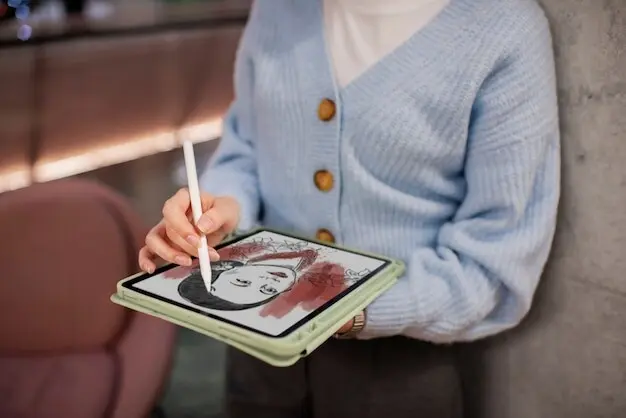
Starter Set You Can Afford
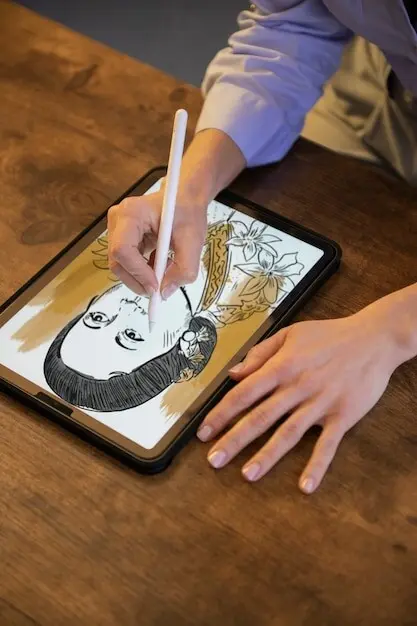
Fast Layouts on the Go
Reusable Layouts That Speed Thinking
Mind Maps With Purpose
Place the central idea boldly, then branch with verbs, not vague nouns, so actions drive memory. Vary line weight to show hierarchy, circle conflicts in orange, and tag next steps. The resulting network reveals priorities, dependencies, and surprising shortcuts you can act on immediately.
Sketchnote Grids and Lanes
Divide the page into horizontal lanes for context, content, and actions. Add small anchors—numbers, icons, and connectors—to guide the eye. During hectic talks, lanes capture flow better than scattered bubbles, helping you reassemble sequences later without replaying the entire recording again.
Storyboarding Everyday Processes
Break a process into six boxes: trigger, first step, obstacle, adjustment, result, and lesson. Draw stick figures and arrows; captions keep it honest. This format uncovers fragile moments and repeatable wins, making improvement visible and turning routine days into steady learning opportunities.
Meetings, Classes, and Conversations Captured Clearly

Listening for Structure
Real-Time Symbols and Connectors
After-Action Refinement
One Page a Day Challenges
Icon Libraries Built Gradually
Reflection That Fuels Progress
From Paper to Searchable Knowledge

Scanning and Naming That Scales

Tagging With Meaning, Not Noise
All Rights Reserved.